

Eco-Friendly & Sustainable • Season 1 • Episode 31
Scrapshala
Starts From - ₹2,250
Where to Buy
Product Details
Entrepreneur Background
Shikha Shah (Co-founder & CEO) is the brand visionary, social media voice, and circular economy advocate — representing Scrapshala at national events including the Times of India "RePlanet" panel in Lucknow (alongside the Municipal Commissioner and Brajesh Pathak as Chief Guest), producing sustainability-focused short films ("Ek Chori Aisi Bhi" about plastic waste), and building Scrapshala's identity as both a commercial brand and an environmental movement. Madhu Shah (Co-founder) is the founding anchor and production overseer — the mother whose practical involvement in the initial product creation (the 25 decorative bottles at the Ghat) established Scrapshala's artisan quality standard and handcrafted identity. More than 50 local Indian artisans empowered.
The Product / Service
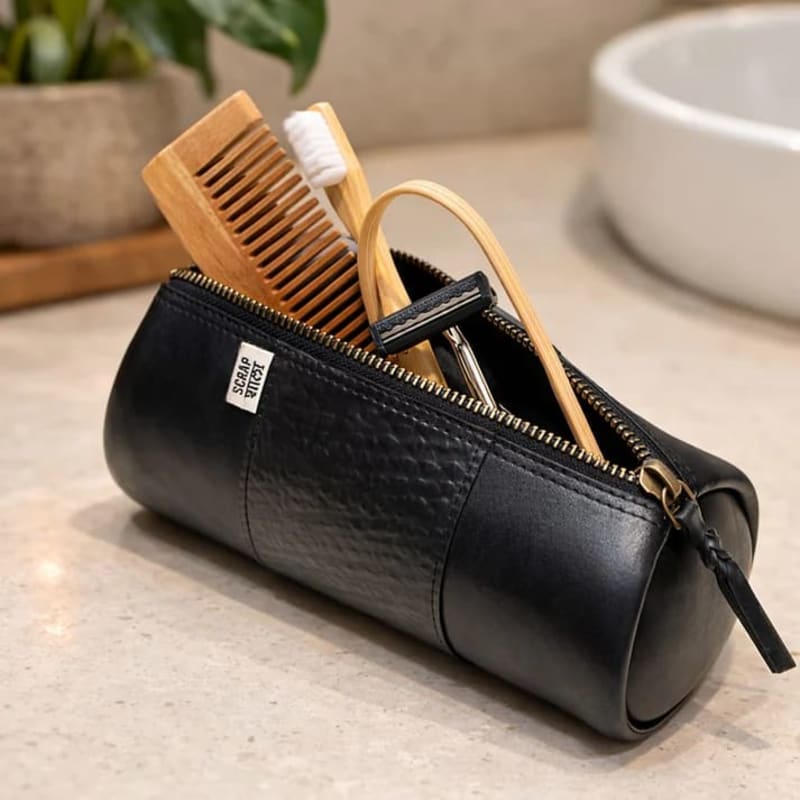
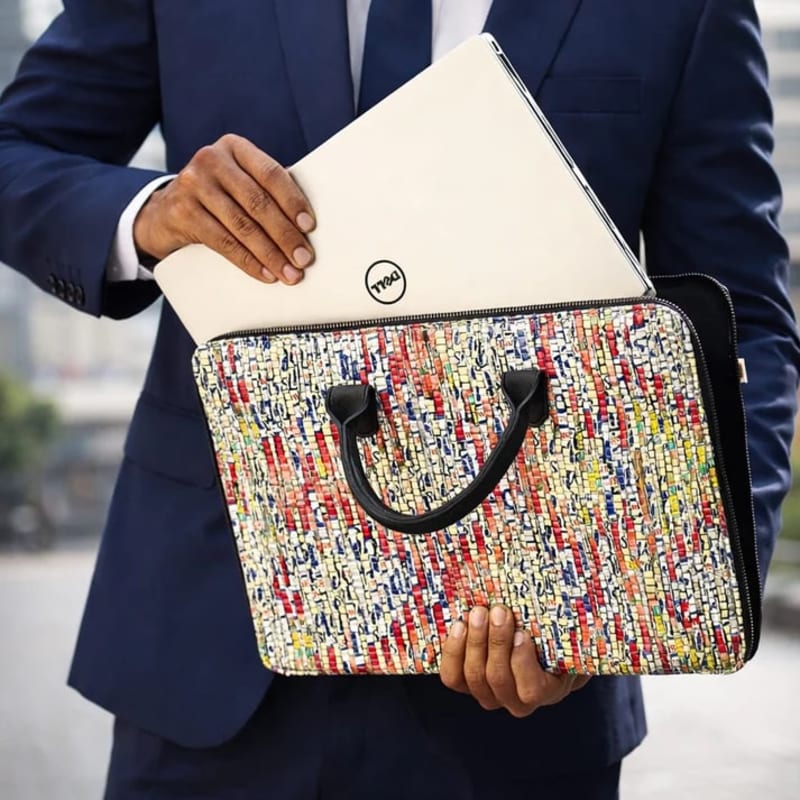
Scrapshala is India's leading artisanal scrap upcycling brand — transforming 12+ categories of waste materials (X-ray films, tin cans, old glass bottles, temple flowers, discarded wood, plastic, metal, and more) into 500+ premium home décor and lifestyle products (lampshades, lanterns, decorative bottles, wall hangings, planters, gift items), all handmade and hand-painted by a team of local Varanasi artisans — simultaneously creating beautiful, unique consumer products, empowering artisan livelihoods, and diverting 35,000+ kg of waste from landfills.
The Ask
Amount Asked: ₹50 lakhs Equity Offered: 10% Implied Pre-Money Valuation: ₹5 crore
Pitch Presentation
Scrapshala's pitch was the first of Episode 31 (Finale Week Day 1) — opening the finale week with Varanasi's circular economy story. The physical product display — X-ray lampshades, tin can lanterns, glass bottle décor, temple flower products — made the upcycling concept immediately tangible. The Sharks could hold products made from materials they would otherwise consider trash and experience their transformation into genuinely beautiful objects. The "all products hand-painted" disclosure added artisan value differentiation — not just upcycled materials but skilled hand-painting by Varanasi artisans at every step. The 15 artisan team and 5,000+ customer base demonstrated that the market existed, even if the scale was modest at pitch time.
Sharks' Reactions & Criticism
The handmade artisan business model's fundamental scalability challenge — identified by multiple Sharks — is structurally real: adding revenue requires adding artisans and training time, not just capital. Unlike a digital product (where revenue can grow without proportionate cost increase) or a manufactured product (where automation can scale production), a handmade upcycled product requires skilled human labour at every stage. Growth is therefore linear with artisan capacity rather than geometric with capital deployment. The ₹27 lakh revenue on 6 years of operation — while reflecting genuine quality-first brand building — presented the Sharks with a slow-growth trajectory that the ₹50 lakh ask could not obviously accelerate to an investor-return-generating pace.
Negotiation & Offers
No Shark made an offer. All exited without entering negotiation.
Final Verdict
no final deal