

Sharks Invested

Product Details
Entrepreneur Background
Ayush Verma came from Amaravati, Maharashtra. He is 26 years old. He spent one and a half years researching and developing his products. Even when his initial batches failed, he was persistent and started again and again. To save the cost of marketing, he learned marketing and single-handedly runs the entire marketing.
The Product / Service
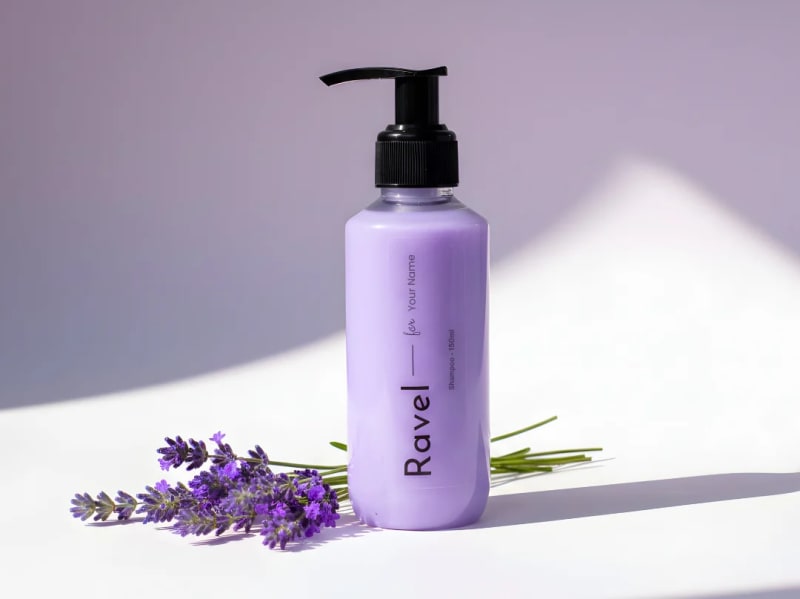
Ravel Care is India's first personalised customised haircare brand — offering made-to-order shampoos and conditioners formulated individually for each customer's specific hair profile, with toxic-free ingredients and no generic one-size-fits-all formulations. The core product thesis: a shampoo for "dry hair" may work for one type of dry hair but not for frizzy-dry hair, dandruff-prone dry hair, or chemically treated dry hair. Ravel's personalisation process identifies the specific combination of hair characteristics and scalp conditions and creates a unique formulation that addresses that individual combination.
The Ask
Amount Asked: ₹75 lakhs Equity Offered: 2.5% Implied Pre-Money Valuation: ₹30 crore
Pitch Presentation
The pitch opened with the problem that every Indian haircare consumer has personally experienced: buying a shampoo that claims to address a specific hair issue, using it, and discovering it does nothing for your particular version of that issue. The personalisation thesis — that generic mass-market haircare cannot work because no two people's hair profiles are identical — was immediately relatable. Ravel Care is devotedly careful of what goes into your hair. The brand made sales worth Rupees 1.55 crore from January 2021 to March 2022. And in FY 22-23 (till date the episode was shot), Ravel made sales worth Rupees 1.4 crore.
Sharks' Reactions & Criticism
Namita Thapar was the first to step back. She liked the founder's positive attitude but felt the haircare personalisation model needed more commercial proof before she could invest with conviction. Vineeta Singh exited citing competitive concerns — the personalised haircare category has well-funded international competitors (Function of Beauty, Prose, Strands) and building a premium personalisation brand in India would require significant marketing investment that ₹75 lakh could not sustain. Aman Gupta exited on market scalability grounds — personalised haircare is inherently a complex fulfilment model (each order is unique) that scales less efficiently than standardised products. Peyush Bansal was most interesting in his reaction: he did not exit due to product concerns but offered Ayush an alternative — suggesting Ravel pivot to eyewear, where Peyush could provide manufacturing and distribution support. Anupam Mittal was the most commercially intrigued Shark, drawn to the revenue trajectory (₹5 lakh to ₹35 lakh in four months) and the self-taught marketing strategy.
Negotiation & Offers
Anupam offered ₹75 lakhs for 10% equity at ₹7.5 crore valuation, conditional on Ravel achieving ₹7.5 lakh monthly profit within 2 months. Ayush countered at ₹75 lakhs for 3.5% equity at ₹21.43 crore valuation. Anupam rejected this counter. Ayush then countered at ₹75 lakhs for 7.5% equity at ₹10 crore valuation. Anupam rejected this as well and maintained his original offer of 10% equity. The founder gave the counter offer of ₹75 lakhs for 3.5% equity, but Anupam rejected it and the deal was fixed at Anupam's first offer of ₹75 lakhs for 10% equity. Ayush accepted.
Final Verdict
Ayush Mahesh Verma accepted Anupam Mittal's offer of ₹75 lakhs for 10% equity at ₹7.5 crore valuation — subject to a performance condition requiring Ravel to achieve ₹7.5 lakh monthly profit within 2 months of the deal. Despite two counter-attempts (at 3.5% and 7.5% equity), Anupam held firm at 10% and Ayush ultimately accepted the original terms. Whether the profit condition was met and the deal formally closed has not been publicly confirmed.