Product Details
Entrepreneur Background
Rashmi Bhardwaj is the co-founder and CEO of Go DESi. She founded Go DESi in 2018 out of a personal passion for traditional Indian snacks and a recognition that India's beloved childhood confectionery traditions were being lost to imported candy brands and generic mass-market sweets. Her founding vision: take India's most beloved street snacks (tamarind candies, amla toffees, ginger sweets) and transform them into premium, hygienically packaged, nationally distributed branded products that preserved authenticity while meeting modern standards.Shashank Sharma co-founded the business with Rashmi, handling commercial operations alongside her brand and product leadership.
The Product / Service
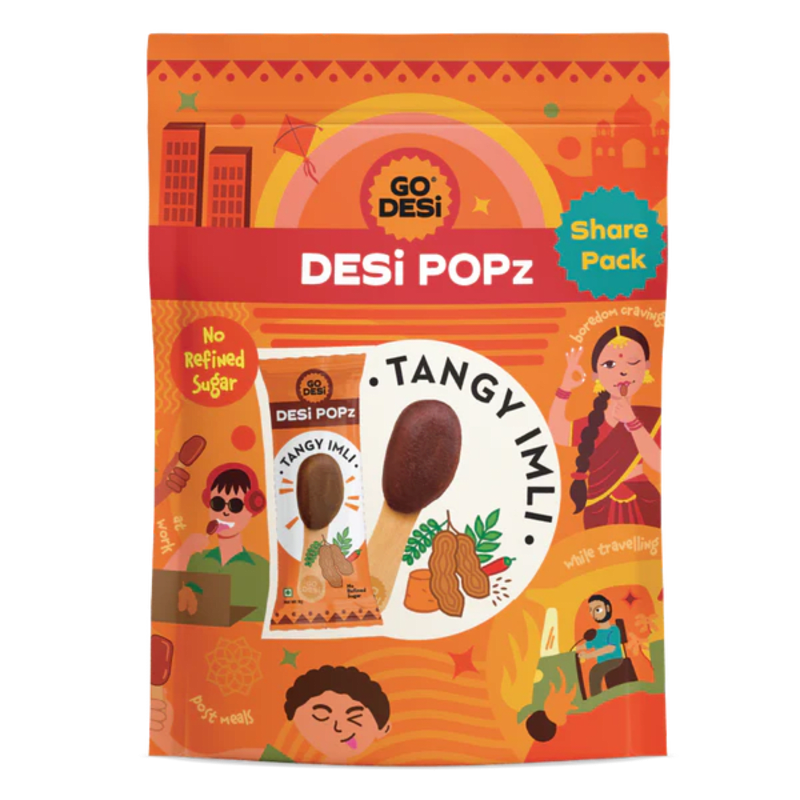
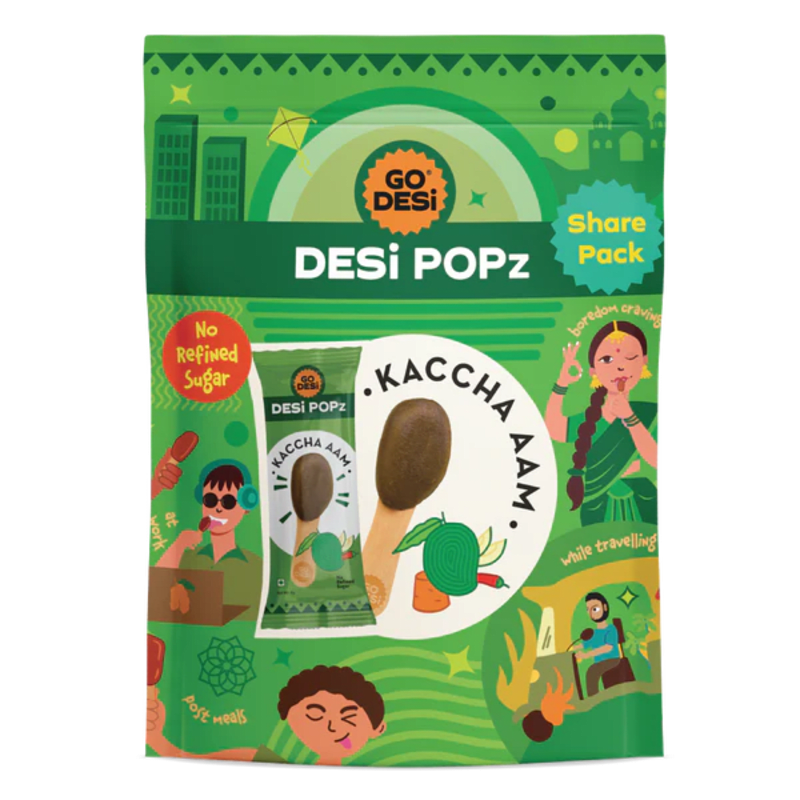
Its flavourful fruit lollipops remain its best-selling products and the startup sold DESI Popz to more than 5.6 crore customers in 2023. The brand claims monthly sales of 90 lakh plus lollipops and has recently added eight new flavours. Go DESi is India's most commercially successful traditional confectionery brand modernising India's most beloved childhood street snacks (tamarind, amla, ginger, lemon, banana-flavoured candies and lollipops) into premium, jaggery-sweetened, preservative-free, hygienically packaged branded products distributed nationally through D2C and 45,000 plus offline stores.
The Ask
Equity Offered: Approximately 1 to 2% Implied Pre-Money Valuation: Approximately ₹40 to 80 crore range
Pitch Presentation
Rashmi and Shashank walked into their Shark Tank India episode with India's most nostalgically resonant confectionery pitch bringing the specific tastes, smells, and memories of every Indian childhood's favourite street snacks into the investment room. The tamarind Imlipop, the lemon chaat candy, the amla toffee each product triggered the Sharks' own childhood sensory memories, the most powerful possible product demonstration for a traditional Indian confectionery brand.
Sharks' Reactions & Criticism
Business viability at scale while the traditional confectionery category was culturally beloved, building a premium national candy brand required consumer behaviour change (choosing branded, premium-packaged traditional candy over the loose, cheap unbranded options available at every corner store) that the Sharks found commercially uncertain. Valuation disconnect the implied valuation relative to the current revenue base at pitch time made the investment risk-adjusted return difficult to justify for all five Sharks simultaneously.
Negotiation & Offers
No Shark made a formal offer. All five exited before entering negotiation. The business viability concerns and valuation expectations created an unbridgeable gap between what the founders sought and what the Sharks were willing to commit.
Final Verdict
Rashmi Bhardwaj and Shashank Sharma left Shark Tank India Season 2 without any investment from the Sharks. All five Sharks declined citing business viability concerns at the implied valuation. Post-show, Go DESi raised ₹81 lakhs for 1% equity plus ₹69 lakhs debt at 12% interest from external investors and subsequently scaled to become one of Season 2's most commercially successful no-deal companies.
Beyond Shark Tank
ENRISSION INDIA CAPITAL has announced its participation in GO DESi's USD 2.8 million Series B Extension Round, marking a significant milestone in the brand's growth journey. Existing investors DSG Consumer Partners and Aavishkaar Capital also participated in the round, reinforcing continued investor confidence in GO DESi's differentiated play in India's traditional packaged foods segment. India's traditional sweets market is valued at over USD 10 billion, with nearly 90% of the category remaining unpackaged.