


Sharks Invested


Product Details
Entrepreneur Background
Karishma Kewalramani, the founder of FAE Beauty, identified a critical gap in the Indian beauty industry. With 74% of Indian women falling under the brown to dark brown skin tone spectrum, she felt that inclusivity in beauty was long overdue. To study business, she got a Bachelor's degree in Administration from the University of California, Berkeley, and gained some experience at A.T. Kearney. But her passion was building something of her own, and she found her passion in the beauty industry. To learn more, she trained as a makeup artist and did small gigs on film sets and TV after returning from the US. After that, she finally started FAE.
The Product / Service
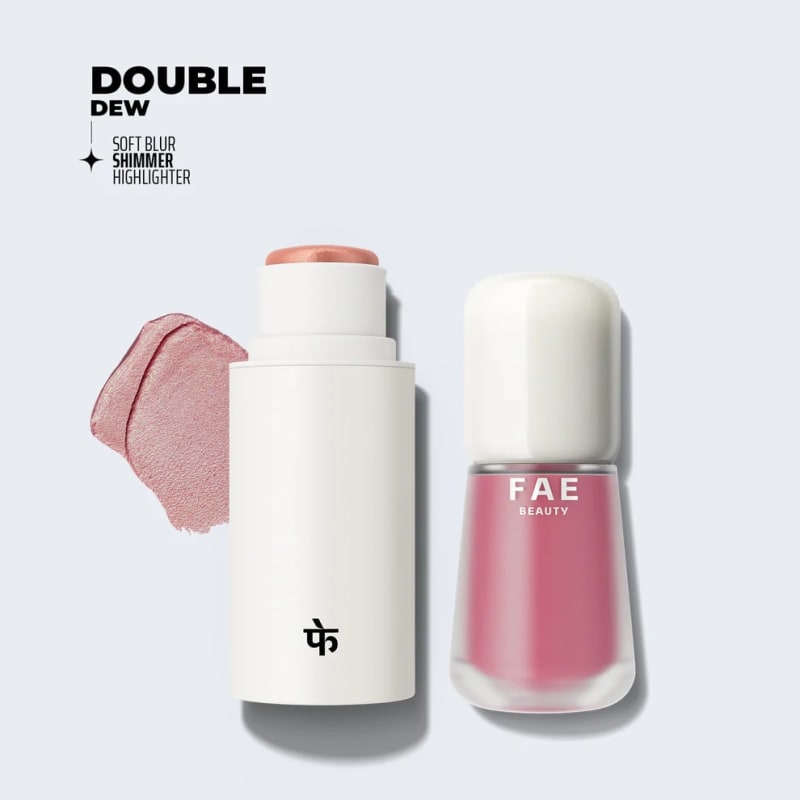
FAE Beauty (Free And Equal) is India's most inclusivity-committed D2C cosmetics brand — building a 50+ product portfolio of vegan, cruelty-free makeup and skincare formulated specifically for brown to dark-brown Indian skin tones, across all genders, with a strict no-photoshop branding policy using real, unedited models who reflect India's actual demographic diversity. FAE Beauty emphasises inclusivity across gender, skin tone, skin texture, and type. The brand's mission reflects that 74% of Indian women have brown, dark brown, or intense brown skin tones, yet the beauty industry often caters to fair skin.
The Ask
Amount Asked: ₹1 crore Equity Offered: 1% Implied Pre-Money Valuation: ₹100 crore
Pitch Presentation
Karishma set the tone for Season 4's premiere with a pitch that was simultaneously a beauty brand presentation and a social commentary on India's beauty industry. She opened with the "74% Indian women have brown to dark-brown skin" statistic — immediately framing FAE as a brand solving a genuine representation failure, not just creating another cosmetics range. FAE Beauty's founder, Karishma Kewalramani, set the tone for the episode as she charmed the panel right from the start. Karishma also shared her personal financial turnaround — going from a ₹2.5 crore loss year to her first profitable year, achieving ₹1.25 crore profit on ₹10 crore revenue.
Sharks' Reactions & Criticism
Vineeta Singh was the most personally conflicted Shark — she had heard of FAE Beauty independently, was genuinely impressed by the packaging and brand positioning, and received confirmation from influencers recommending the brand. Aman Gupta was the most enthusiastic investor — engaging personally with Karishma's story, praising the inclusivity mission, and ultimately co-investing. He offered ₹1 crore for 3% equity initially before the deal was structured. Namita Thapar co-invested with Aman — drawn to the brand's health and wellness intersection and its appeal to the same demographic that Emcure's women's health products serve. Peyush Bansal offered ₹1 crore for 3% equity — matching Aman's opening offer — but was not in the final deal after Karishma's negotiations resulted in a lower equity arrangement with Aman and Namita exclusively. Anupam Mittal was the most aggressive investor — first offering ₹1 crore for 3%, then raising to ₹1.5 crore for 3% to try to win the deal solo.
Negotiation & Offers
Karishma asked for ₹1 crore for 1% equity (₹100 crore valuation). Multiple competing offers emerged: Aman offered ₹1 crore for 3%; Peyush matched at ₹1 crore for 3%; Anupam offered ₹1 crore for 3.3% then raised to ₹1.5 crore for 3%. Aman and Namita jointly offered ₹1 crore for 3% equity. Karishma countered at ₹1 crore for 1.3%, citing unwillingness to dilute further. Eventually Aman and Namita revised to ₹1 crore for 2%, and the final deal settled at ₹1 crore for 1.5% — Karishma choosing lower capital with lower dilution over Anupam's higher capital at higher dilution.
Final Verdict
Karishma Kewalramani accepted Aman Gupta and Namita Thapar's joint offer of ₹1 crore for 1.5% equity — valuing FAE Beauty at ₹66.67 crore post-deal. She declined Anupam Mittal's more generous ₹1.5 crore offer because it came at 3% equity — twice the dilution she was willing to accept. Having just turned profitable for the first time, Karishma's conviction about her own valuation was commercially grounded and negotiation-ready.