

Product Details
Entrepreneur Background
Swapna Soham Wagh is Season 2's most culturally preservation-driven toy founder a Thane-based entrepreneur who was personally disturbed by the steady extinction of India's traditional toys and games at the hands of screen-based entertainment and imported plastic toys, and who built Desi Toys to commercialise the revival of India's most beloved childhood game experiences for the modern generation of children. Her founding motivation was dual: preserve India's traditional toy-making artisan communities (giving craftspeople sustainable income from their traditional skills) and preserve India's traditional toy culture (giving Indian children access to the same tactile, outdoor, creative play experiences that their parents and grandparents had enjoyed). Both missions were commercially connected one supplied the products, the other created the demand.
The Product / Service
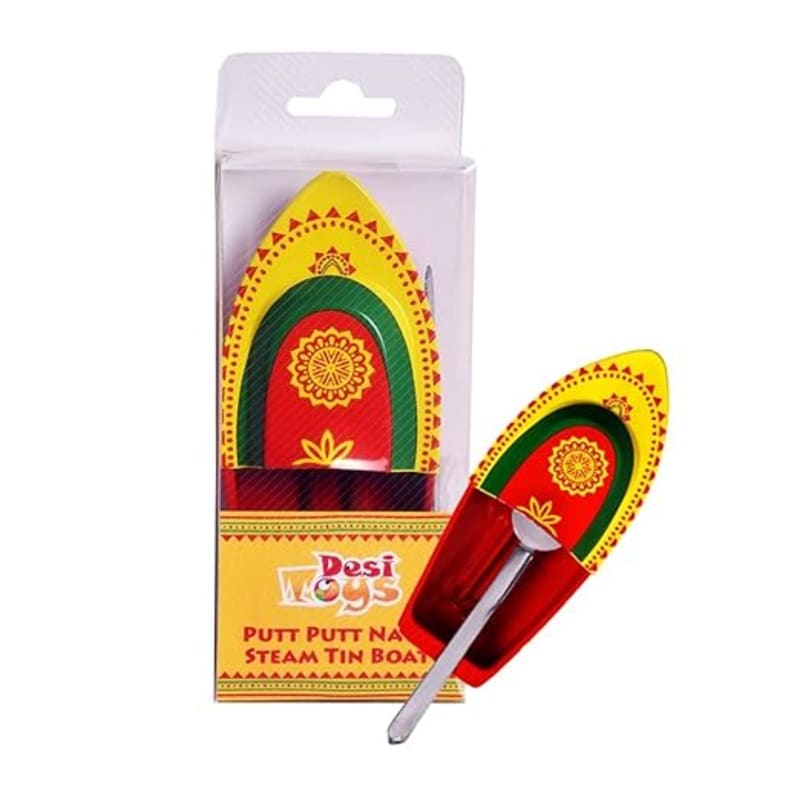
Desi Toys is India's most mission-driven traditional toy revival brand curating and producing reimagined versions of India's classic childhood toys (tin vehicles, clay dolls, wooden games, traditional outdoor games) crafted by Indian artisans using safe, sustainable materials, positioned as both a cultural preservation project and a Made-in-India alternative to imported plastic toys for parents who want their children to experience the same enriching, tactile, low-screen play experiences they had in childhood.
The Ask
Amount Asked: ₹50 lakhs Equity Offered: 3% Implied Pre-Money Valuation: ₹16.67 crore
Pitch Presentation
Swapna walked into Season 2 Episode 28 as Season 2's most nostalgically resonant toy founder immediately connecting the Sharks to their own childhood memories through the physical products she brought into the Tank. The sight of tin rickshaws, clay dolls, wooden tops, and traditional games triggered the exact personal nostalgia that drove both the brand's founding mission and its commercial positioning. After the initial pitch, all the sharks were extremely interested in the products, and they started enjoying themselves for a while. Aman then asked Swapna about her sales. She replied that their sales in FY 17-18 were INR 40 lakhs, followed by INR 60 lakhs and INR 75 lakhs in FY 18-19 and 19-20, respectively. After a brief break of 3 months due to Covid, they were able to garner INR 61 lakhs in FY 20-21, and finally, in FY 21-22, they made INR 1.15 crores.
Sharks' Reactions & Criticism
Aman Gupta exited appreciating the products personally but finding the scalability ceiling of artisan-made traditional toys commercially challenging. An artisan-made product line can only scale as fast as artisan capacity can be built. Namita Thapar exited on price point concerns ₹299 to ₹1,499 for traditional toys was positioned above what mass-market Indian parents were willing to pay for toys in this category, limiting the addressable market to the premium urban parent segment. Vineeta Singh exited on similar market size concerns the intersection of premium-conscious parents who valued traditional Indian toys AND were willing to pay the price premium was commercially smaller than the category's cultural significance suggested. Anupam Mittal exited on scalability grounds the artisan production model's inherent capacity constraint meant that Desi Toys' revenue ceiling was determined by how many artisans could be trained and onboarded, not by how much capital was invested. Amit Jain was the only Shark who saw a fundable opportunity in Swapna's capabilities.
Negotiation & Offers
Amit offered ₹30 lakhs debt plus ₹20 lakhs equity for 20% of the company (₹1 crore implied valuation). After hearing the offer, Swapna countered with an offer of INR 20 lakhs in equity for 5%. Unfortunately, Amit was not ready to accept the counteroffer, and Swapna was unable to close the deal. Even though Amit was the only shark to give an offer, Swapna was not ready to give up 20% at that point and hence the deal could not be closed. The gap between Amit's 20% equity demand (₹1 crore valuation) and Swapna's 5% counter (₹4 crore implied) was commercially unbridgeable Amit's assessment of the company's current commercial value was ₹1 crore; Swapna's was ₹4 crore. Neither moved sufficiently to find common ground.
Final Verdict
Swapna Soham Wagh left Shark Tank India Season 2 Episode 28 without any investment. Amit Jain's offer he only formal offer made was declined because the 20% equity requirement implied a ₹1 crore company valuation that Swapna was not willing to accept. All other Sharks had exited on scalability and price point concerns.
Beyond Shark Tank
Desi Toys continues operating from Thane products available on Amazon and direct channels. The Shark Tank national visibility gave the brand consumer awareness that its marketing budget could not have purchased, and the episode's widespread social media sharing (the Sharks playing with toys was a frequently shared clip) gave the brand earned media coverage valued at multiples of the ₹50 lakh investment Swapna had sought. The traditional Indian toy revival movement has grown since 2023 with the government's Atmanirbhar Bharat initiative specifically supporting Indian toy manufacturing, and India's toy export policy changes creating commercial tailwinds for premium Indian toy brands internationally. Desi Toys' positioning 100 percent Made in India, artisan-crafted, sustainable, culturally authentic is directly aligned with these policy and consumer trend tailwinds.